
In a world that is always asking for our attention, keeping a quiet mind can seem like a revolutionary act. It’s not about silencing every thought, but about creating a space where your mind feels safe, grounded, and at ease. By actively nurturing moments of mental clarity, we do not only find peace but also set the stage for meaningful productivity.

Your Grounding Wall
Create a Written Anchor for Calm
- Take a piece of paper, or dedicate a small section of a wall, to write a personal list of grounding practices. These should be things that make you feel safe and grounded…. E.g.
- Drinking tea while watching the sunrise.
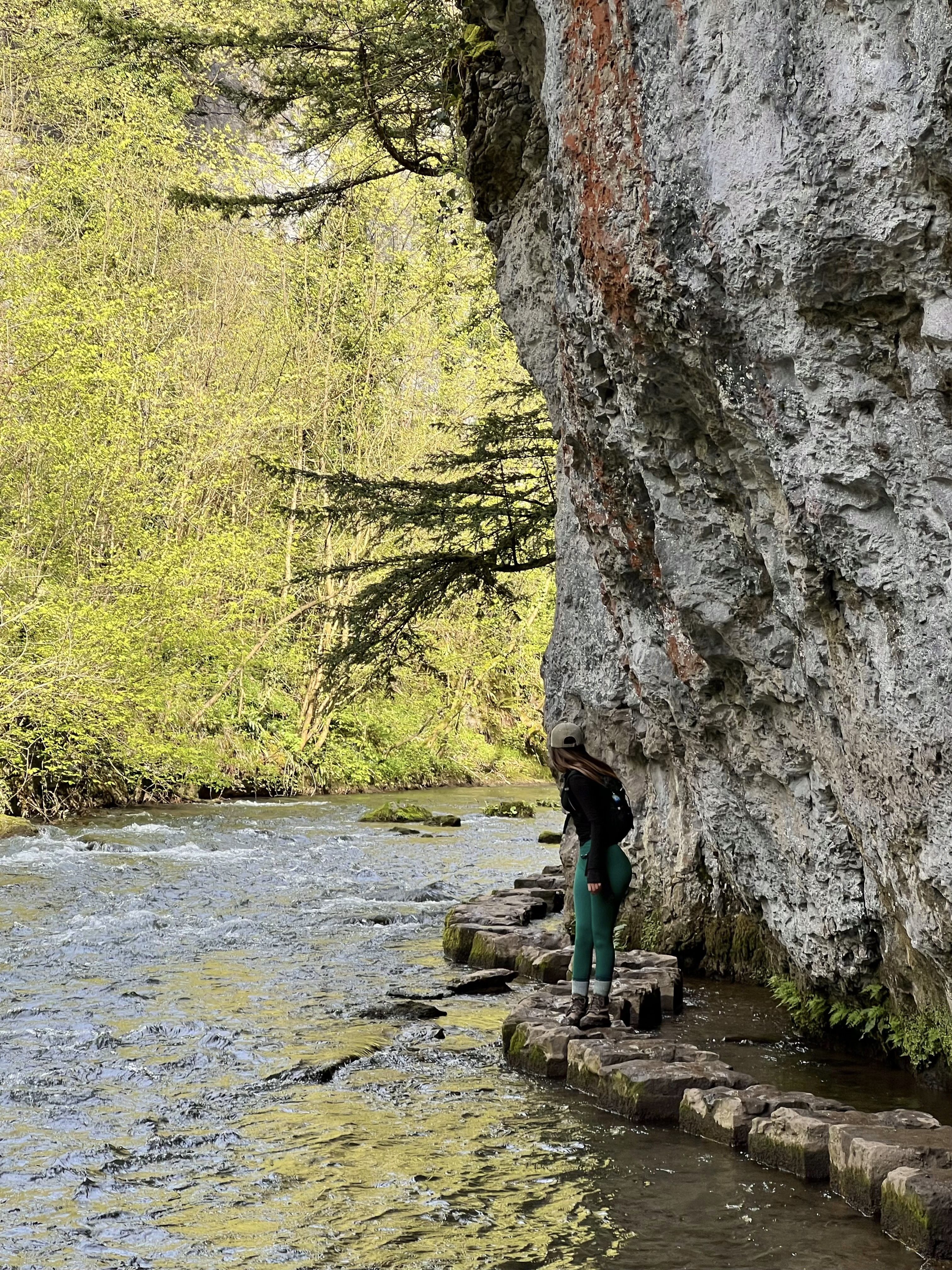
- A walk in the woods or along a quiet path.
- Reading a few pages of a favourite book.
- A 5-minute stretch or yoga pose.
- Listening to a comforting playlist.


Hobbies That Heal
Embrace the Power of “Non-Productivity”
Choose an activity that serves only you—something that doesn’t have a timeline, a goal, or pressure for improvement.
Examples:
- Painting without the intent to display it.
- Gardening to enjoy the process, not the yield.
- Playing a musical instrument for the joy of sound.
- Journaling your thoughts with no structure or end goal.
The One-Thing-A-Day Challenge
Life doesn’t pause, but that doesn’t mean you can’t carve out quiet moments amidst the hustle. Commit to implementing one small action from your Grounding Wall or hobby list each day.
Why it Works:
Consistency over time rewires your brain, building a mental habit of calm and clarity. It’s not about doing more; it’s about doing what matters for your mental state.
At the end of each day, reflect on the action you implemented. How did it make you feel? Were there moments of clarity or peace?
Be kind to yourself; you’re learning and growing every day
The Science of a Quiet Mind
When the brain rests, it activates the Default Mode Network (DMN), a state linked to creativity, problem-solving, and self-reflection. The DMN thrives in moments of quiet, free from external demands, allowing the mind to synthesise ideas and foster emotional resilience.
Research Insight
A 2013 study in Frontiers in Psychology revealed that engaging in “purpose-free” hobbies significantly reduced stress and boosted mental resilience. These moments of idle activity engage the DMN, supporting recovery and creativity.
A Thoughtful Reminder
Even Albert Einstein found his best ideas during idle reflection, proving that rest is not wasted time—it’s essential for innovation and clarity.
Take a mindful pause today. Your brain will thank you.
 Roots With Rita