
A gentle guide to living in time with the Earth’s turning…
This page isn’t about doing more… it’s about noticing and the first thing you may notice is that this page is written very differently than the others. That is for a very particulary reason and its because this is something i truly have felt the impact of in my own life… The seasons shift slowly and so do we, sometimes in ways we don’t realise until we pause. If you’ve ever felt different without knowing why, or if you’ve ever needed a quiet reminder that it’s okay to move at your own pace, this is for you.
Each season below is written like a little moment, a blend of grounded science, personal insight and what we can do to feel more at home in ourselves as the year unfolds.
Spring
In the environment:
Spring is the season of reawakening. After months of quiet, plant life returns, buds open and birdsong intensifies. Soil warms and moisture triggers early blooms, while migrating animals begin to return. Insects re-emerge and pollination starts in earnest. Light stretches further into the evenings, shifting everything into movement.
In our bodies and minds:
Light exposure influences the suprachiasmatic nucleus (SCN) in our brain, regulating melatonin and cortisol. As daylight increases, melatonin decreases and cortisol rises earlier, helping us feel more alert and energised. Dopamine and serotonin also fluctuate, potentially lifting mood but also causing emotional volatility. For many, spring brings a sense of new beginnings, but for others, especially those with anxiety, the change can feel overstimulating or unsteady.
What we can do:
This is a good time to gently increase movement, clear spaces or lighten routines. Seasonal greens and bitter herbs can support digestion and detox pathways. Prioritise rest as you transition into activity and notice if your mind is rushing ahead. Balance urgency with presence.
Try:
- Eat fresh greens like dandelion, watercress or nettle
- Start your mornings in sunlight, even for five minutes
- Make space for reflection before rushing into productivity


Summer
In the environment:
Summer is the season of growth, fullness and abundance. Plants are in full leaf, insects are active, and animals are feeding or raising young. The sun’s arc is at its highest and longest, bringing heat and drought to some places and intense vitality to others. Water cycles accelerate. Forests breathe visibly.
In our bodies and minds:
Summer often brings high energy, extroversion and drive. Cortisol rhythms can shift to keep us alert longer. The longer light exposure reduces melatonin secretion and enhances serotonin activity, supporting mood and social engagement. Vitamin D synthesis increases, influencing immune regulation, energy and emotional resilience. However, elevated cortisol over long days may lead to burnout if rest is ignored.
What we can do:
Stay hydrated, take breaks from screens and build moments of cool stillness into the brightness. Avoid overcommitting just because your energy is high. Movement, play and shared meals can feel especially supportive now. Be aware of heat exhaustion, social overwhelm and overstimulation.
Try:
- Notice the pace of your breath when you’re outside
- Eat water-rich foods like cucumber, melon and mint
- Stay hydrated and support electrolyte balance, try coconut water or cucumber with a pinch of salt
- Wear blue-light blocking glasses in the evening to help melatonin production
- Be intentional with rest (long days doesn’t mean longer output)
Autumn
In the environment:
The light softens and cools. Trees begin to drop leaves, animals start storing food or migrating and fungi appear in abundance. The air becomes drier and the wind picks up. In many places, autumn is the most active time for decomposition and nutrient cycling beneath the surface.
In our bodies and minds:
Autumn often brings a natural inward pull. Less light means a shift in serotonin and increased melatonin, contributing to sleepiness or low mood. Some experience seasonal affective symptoms as vitamin D levels decline. However, the brain may also become more focused as external stimuli decrease and the parasympathetic system becomes more active.
What we can do:
This is a time to adjust routines, support immunity and let go of mental clutter. Slower meals, warming spices and grounding foods can be especially helpful. Begin preparing for colder months without rushing into them. Gentle organisation now reduces anxiety later.
Try:
- Prioritise warm, grounding foods: squash, oats, cinnamon
- Get light exposure within two hours of waking to reduce circadian lag
- Let go of things that feel heavy, physically or mentally without rushing to replace them
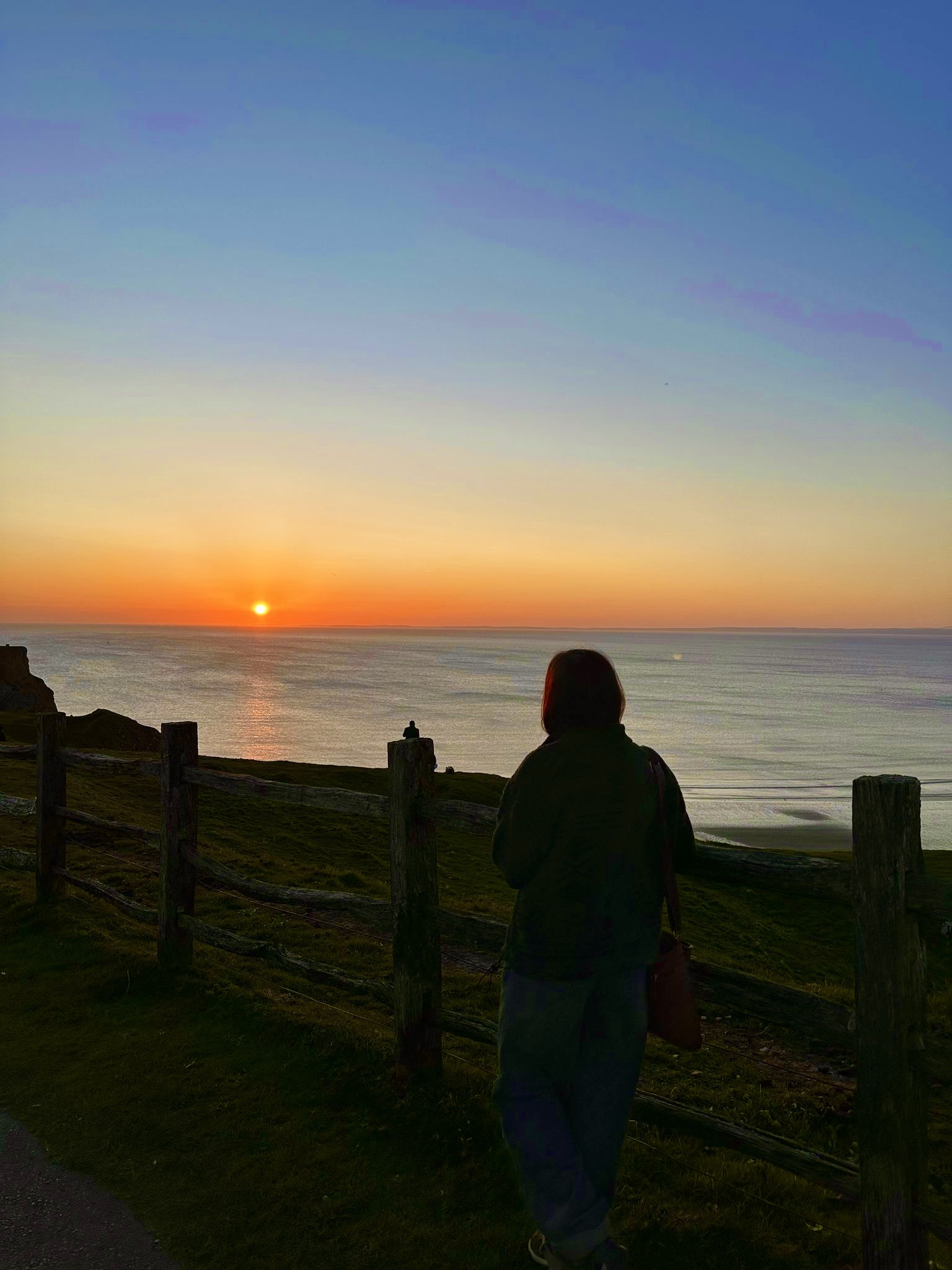

Winter
The world outside
Winter is the slowest season for visible growth. Trees conserve their energy, many animals hibernate or reduce activity and the soil rests beneath a cold, quiet surface. Snow insulates roots and seeds. Everything is working less, not because it’s weak, but because that’s what survival looks like in stillness.
What happens in us
As daylight shortens, the body produces more melatonin, which can increase sleepiness and delay wakefulness. Simultaneously, serotonin levels drop, affecting mood regulation. Around 1 in 20 people in the UK experience Seasonal Affective Disorder (SAD) — a form of depression triggered by lack of sunlight, leading to low energy, disrupted sleep and changes in appetite. Even without full SAD, many people experience milder “winter blues” symptoms.
Support and tips
- Make evenings cosy and slow: warm drinks, low light, blankets and no pressure
- Get outside within 30 minutes of waking: morning light helps regulate serotonin and circadian rhythm
- Light therapy lamps (10,000 lux) can reduce symptoms of SAD when used regularly in the morning (NHS guide)
- Supplement vitamin D3 if levels are low: many people in northern climates become deficient in winter
 Roots With Rita