
The Dance of the Stars
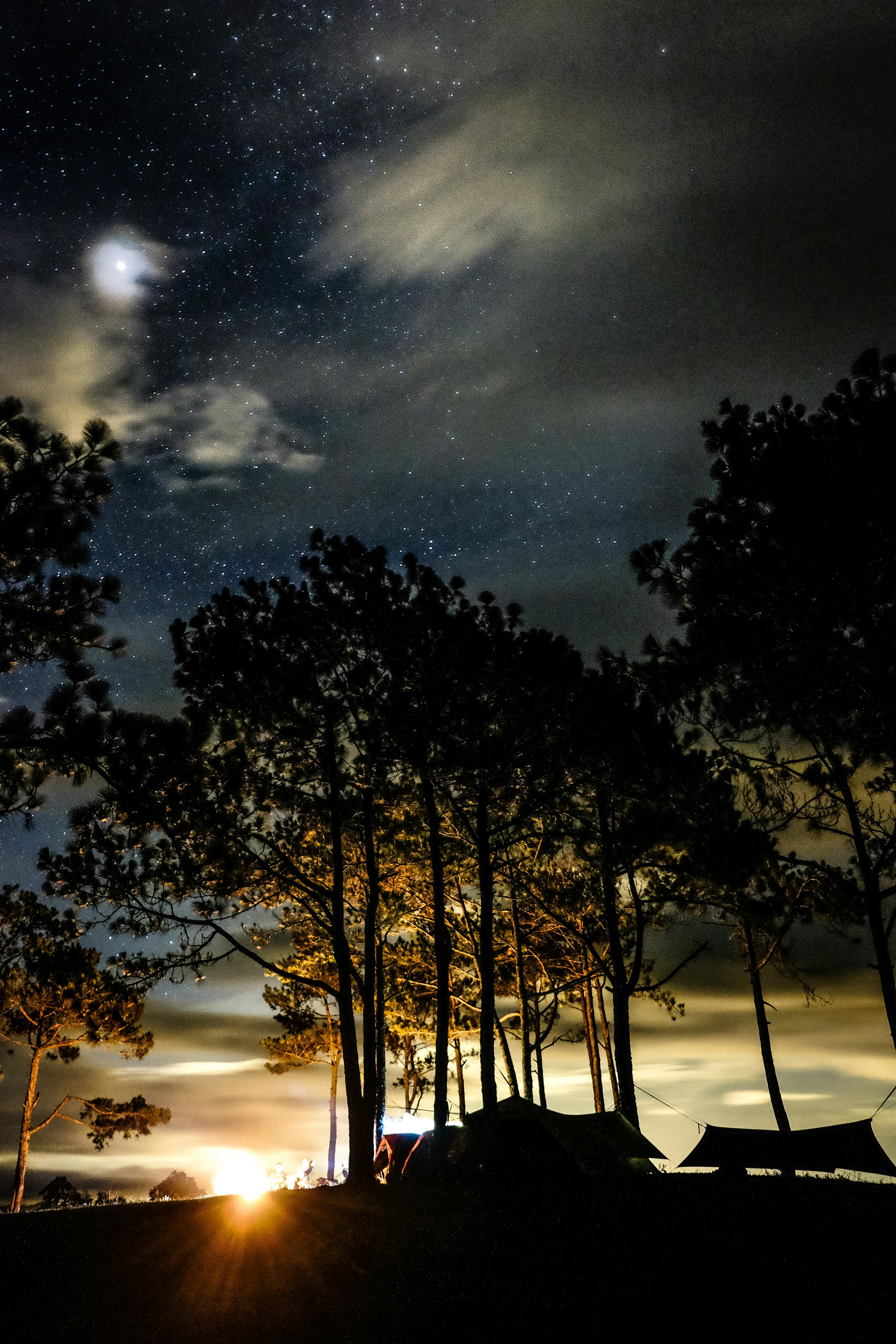
On clear nights, the stars trace slow arcs across the sky. This apparent motion results from Earth’s rotation, causing celestial bodies to rise in the east and set in the west. Over longer periods, constellations shift positions due to Earth’s orbit around the Sun, leading to seasonal star patterns.
Ancient civilizations observed these movements meticulously, using them to develop calendars and navigation systems. For instance, the appearance of Orion signaled the onset of winter in many cultures.
Try this: Choose a constellation and observe its position at the same time each night for a week. Note how it shifts slightly each evening.

The Sun’s Path
Throughout the year, the Sun’s path across the sky changes due to Earth’s axial tilt. This variation causes the seasons, affecting daylight length and solar intensity.
During solstices, the Sun reaches its highest or lowest point in the sky at noon, marking the longest and shortest days. Equinoxes occur when day and night are approximately equal in length.
Try this: At the same time each day, note the Sun’s position relative to a fixed point, like a tree or building. Observe how it shifts over weeks.
Why it matters: Tracking the Sun’s movement deepens your understanding of seasonal changes and their effects on the environment.
Cloud Formations
Clouds form when moist air rises and cools, causing water vapor to condense into droplets or ice crystals. Their shapes and types; cumulus, stratus and cirrus, indicate different weather patterns.
For example, towering cumulonimbus clouds often precede thunderstorms, while thin cirrus clouds can signal an approaching warm front.
Try this: Learn to identify basic cloud types and observe their presence before weather changes. Keep a diary correlating cloud types with subsequent weather.
Why it matters: Recognising cloud patterns enhances your ability to anticipate weather changes, fostering a closer relationship with the natural world.

Rainbows and Halos
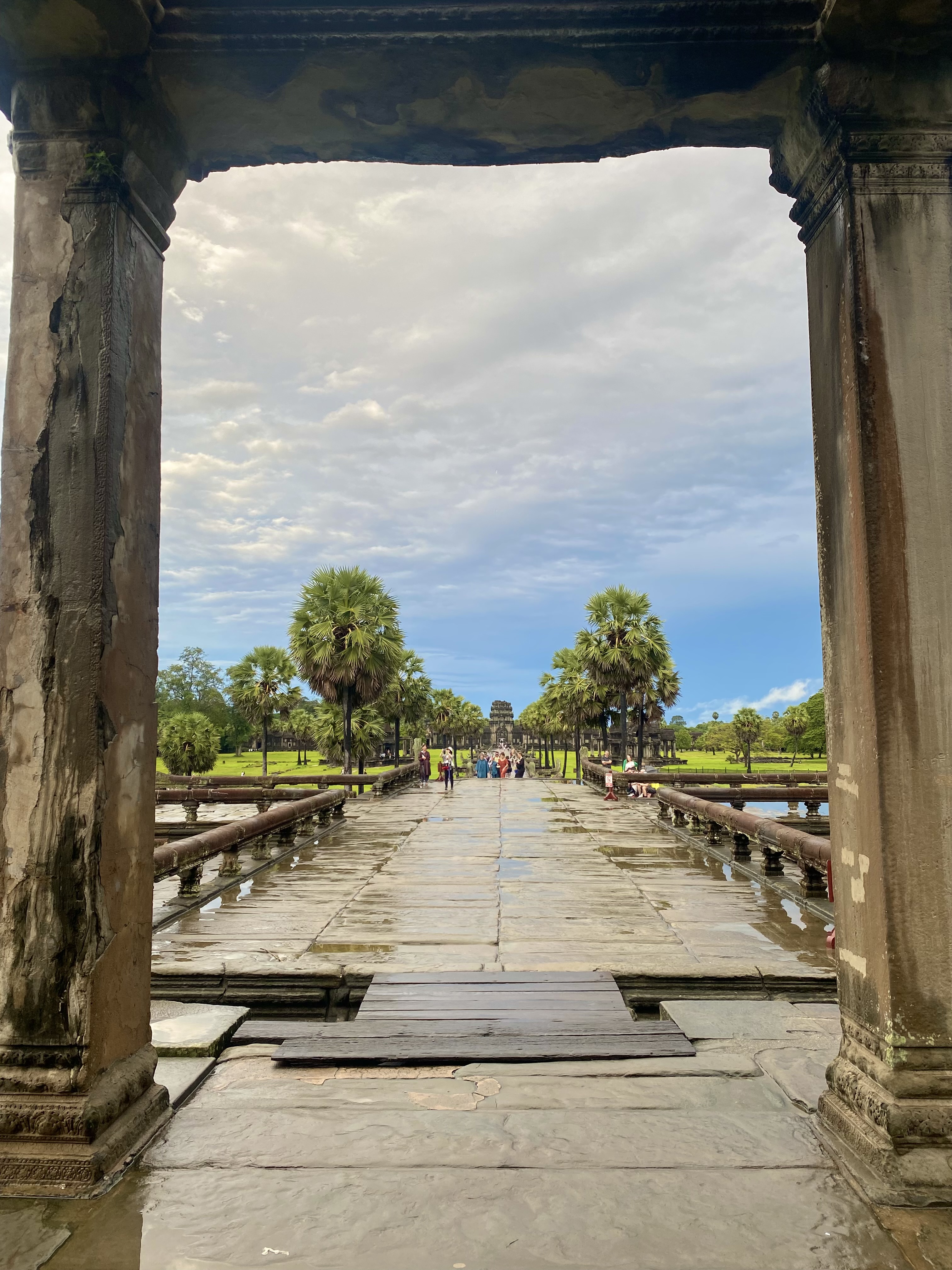
Rainbows occur when sunlight refracts, reflects, and disperses through water droplets, creating a spectrum of colors. Halos form when light interacts with ice crystals in the upper atmosphere, producing rings around the Sun or Moon.
These optical phenomena are governed by the physics of light and have inspired myths and art across cultures.
Try this: After a rain shower, look for rainbows opposite the Sun. On cold days, observe the sky around the Sun or Moon for halos.
Why it matters: Witnessing these events can evoke wonder and curiosity, reminding us of the intricate interplay between light and the atmosphere.
Aurora Borealis
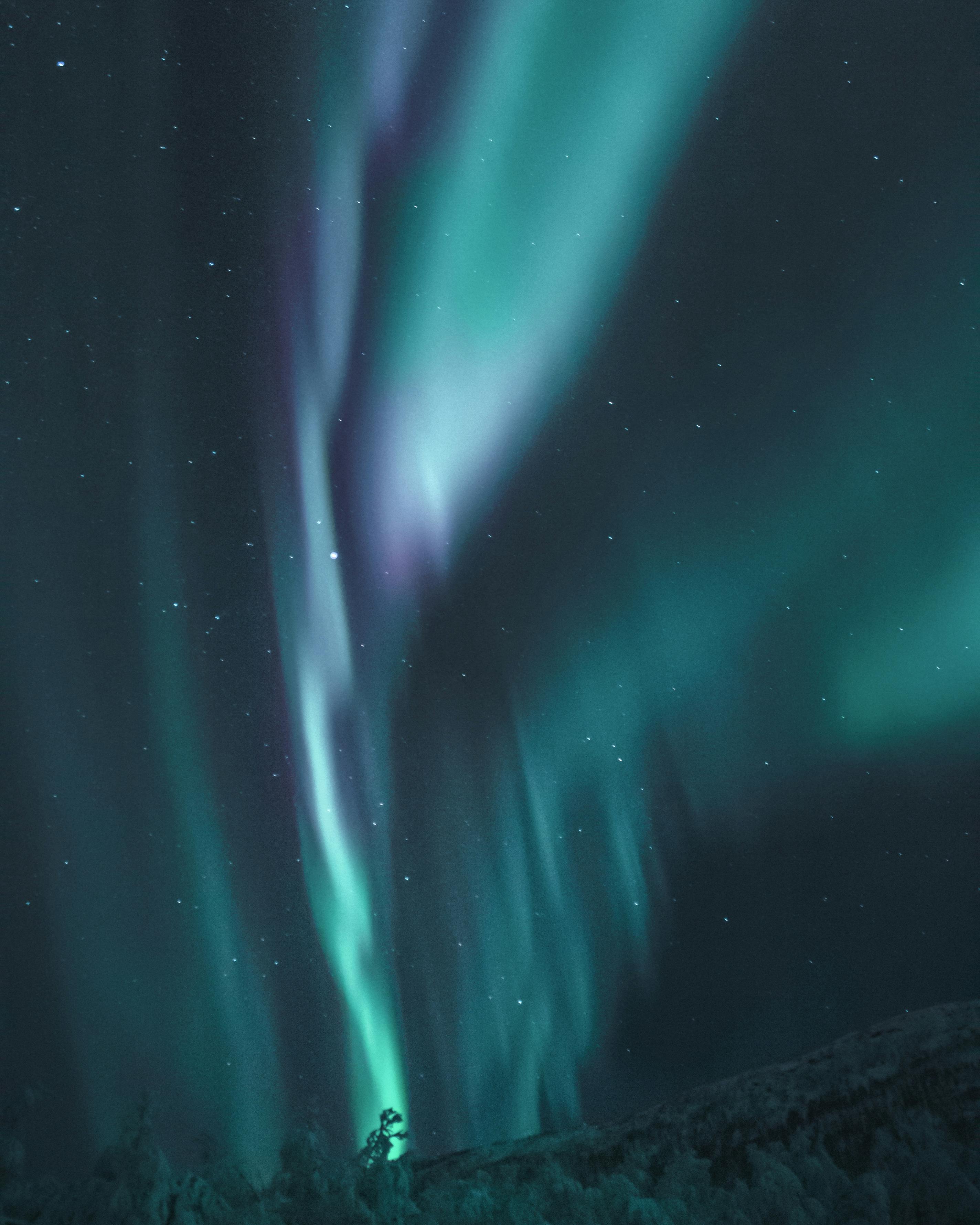
The aurora borealis appears when charged particles from the Sun interact with Earth’s magnetic field, funnelling into the polar atmosphere. There, they collide with gases like oxygen and nitrogen, exciting the atoms and releasing light usually green, pink or red depending on altitude and gas type.
Auroras often follow solar flares or geomagnetic storms. In May 2024, strong solar activity caused them to be visible as far south as Italy and New Mexico. Similar auroras have even been recorded on Mars.
Try this: Use apps like AuroraWatch or SpaceWeatherLive to check geomagnetic forecasts. Look north on clear, dark nights away from city lights.
Why it matters: Auroras remind us that space weather touches our planet. They’re visible proof of Earth’s magnetic shield in action
Meteor Showers
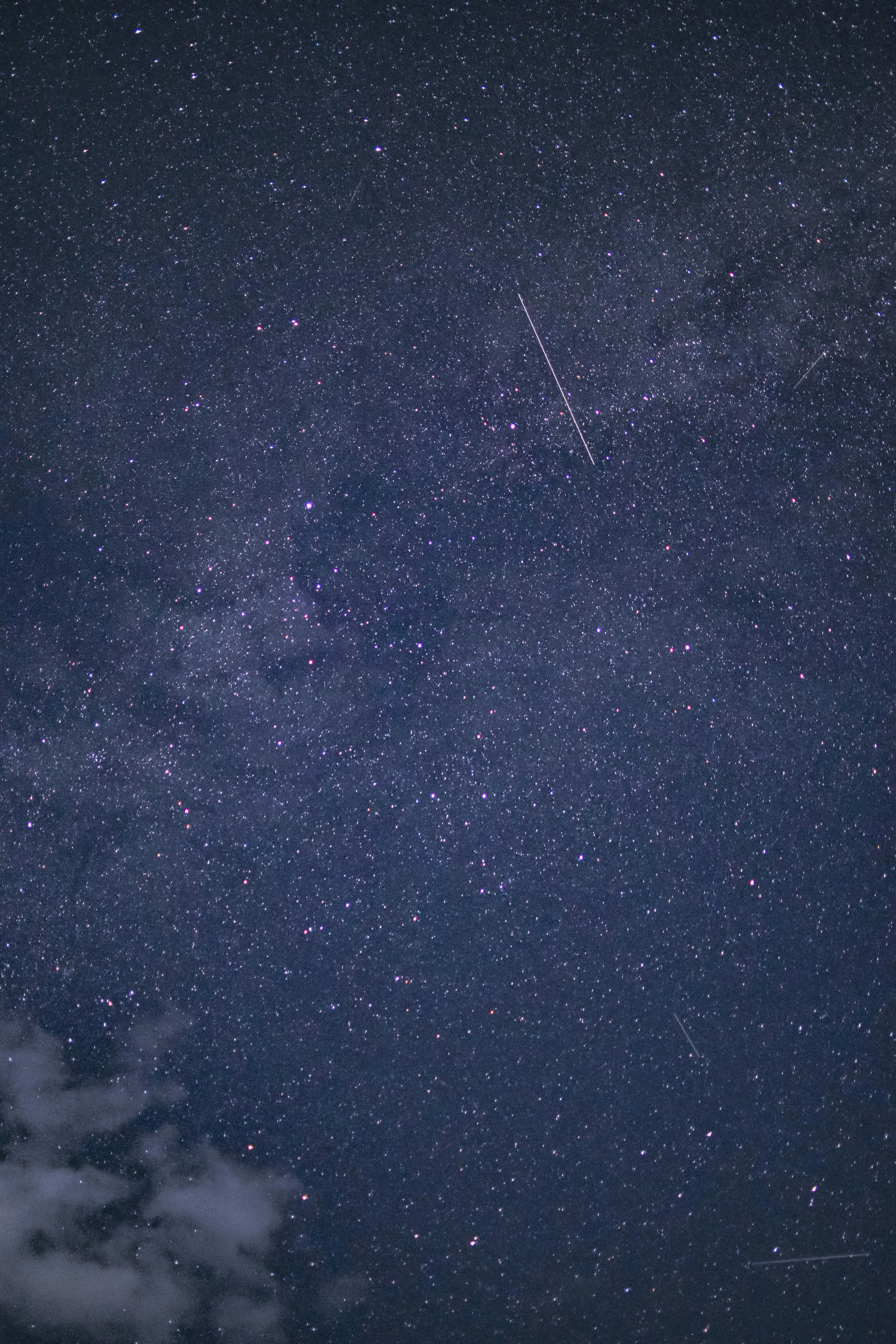
Meteor showers happen when Earth passes through streams of debris left behind by comets. As this space dust enters our atmosphere at high speeds often over 60,000 mph and burns from friction with air molecules, creating fast, bright streaks we see as “shooting stars.”
Each major shower comes from a specific comet. For example, the Perseids are caused by debris from Comet Swift-Tuttle and peak every August. The intensity of a shower depends on how dense the debris trail is and how directly Earth passes through it.
Try this: During a meteor shower, lie flat under a dark, open sky and give your eyes at least 20 minutes to adjust and avoid looking at your phone.
Why it matters: Meteor showers connect us to the solar system’s ancient paths. They’re reminders that Earth is moving through a universe still full of motion and memory.
 Roots With Rita