
The Way Things Branch
Walk through a forest and look up: the trees stretch into the sky with limbs that keep dividing. Look down: their roots do the same beneath the soil. This branching pattern isn’t random. It’s a mathematical structure called a fractal and it appears again and again in nature. Trees, rivers, blood vessels and fungal networks all follow this form because it’s one of the most efficient ways to move things water, nutrients or energy across space.
Fractals allow for maximum surface area with minimal energy use. They are backed by systems biology and physics. One study published in Nature (West et al. 1997) showed that even the scaling of tree trunks and branches follows power-law rules found across living systems. These repeating divisions are more than beautiful. They are functional blueprints shaped by evolution and thermodynamics.


The Language of Clay Cracks
After the rain dries and the earth tightens, you’ll often find cracked mud — irregular polygons drawn into the surface of a once-wet world. These geometric lines form because of how water evaporates from clay-rich soil: the top layer contracts faster than the earth below, creating tension that breaks into organised fissures. This process, known as desiccation cracking, is well documented in soil physics and material science.
Researchers studying arid regions (Shorlin et al. Phys Rev E 2000) have shown how the thickness and drying rate of soil layers directly affect the shape and spacing of cracks. It’s an everyday phenomenon with microscopic precision where stress becomes structure and dryness writes geometry.
Ripples in Sand and Sea
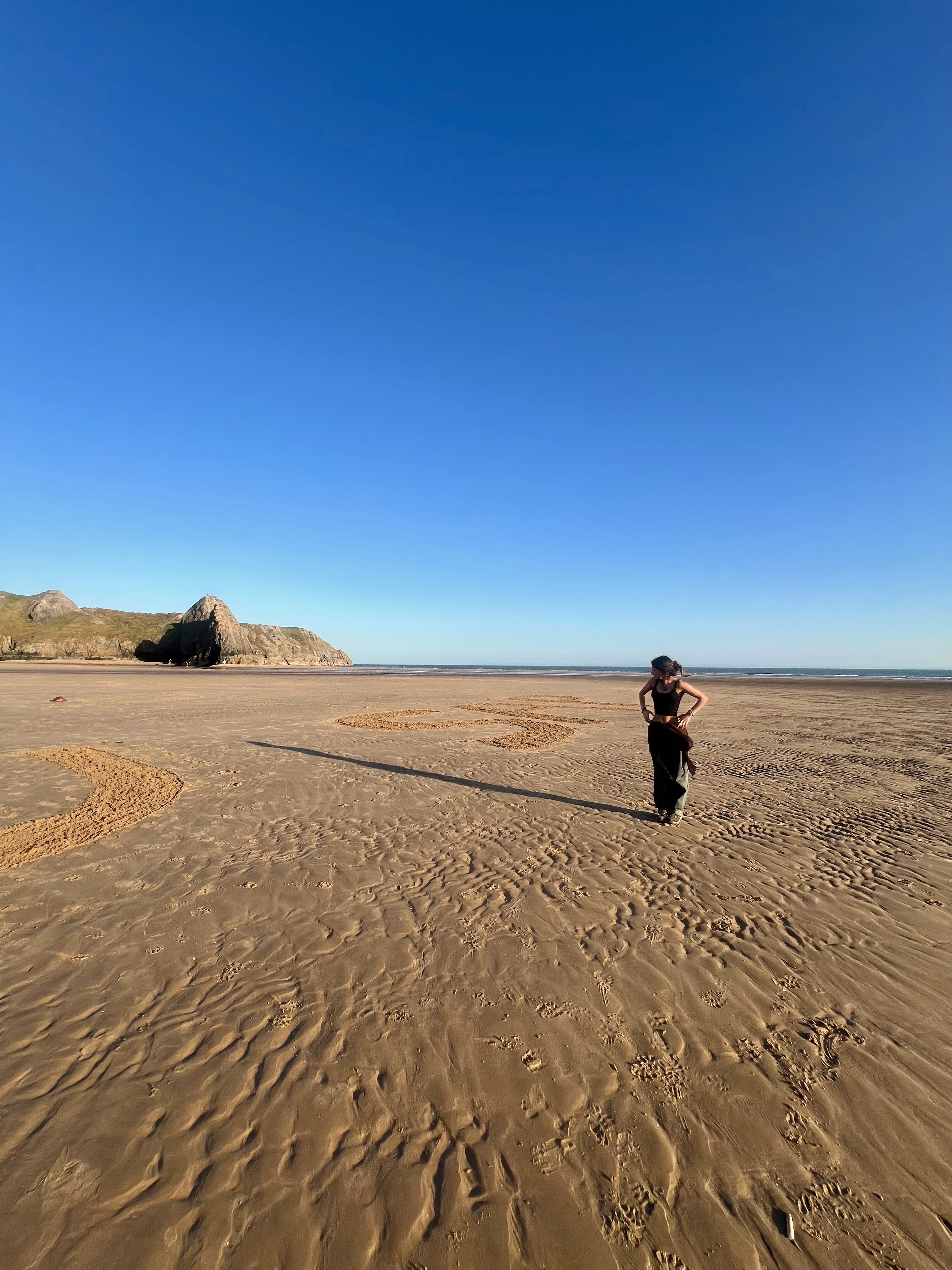
Sand dunes, streambeds and desert plains share something: they ripple. Wind or water moving across loose particles creates regular ridges and troughs shaped by force, grain size and flow speed. These patterns are constantly shifting but they follow strict physical rules.
Sedimentologists study these forms to interpret the history of landscapes. The ripple patterns visible on a beach today mirror fossilised ripple marks in ancient rock giving clues about ancient climates and water movement. As reported in Sedimentology (Allen 1982), the wavelength of ripples can be predicted using fluid dynamics models meaning something as soft as wind on sand can be traced back to universal physical laws.
Spirals That Grow Without Waste
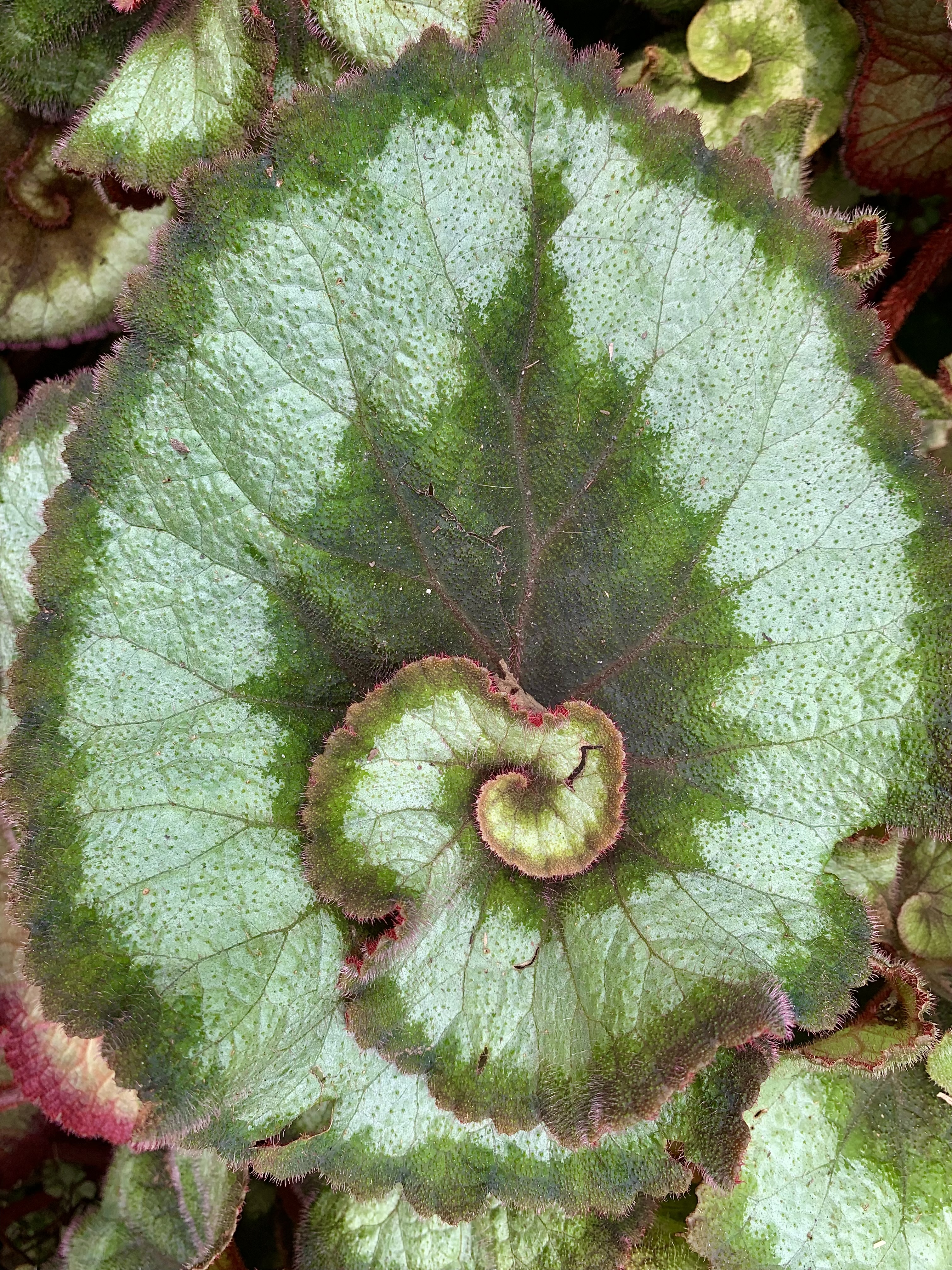
In plants, one of the most common patterns is the spiral. Sunflowers, pinecones, succulents and ferns all arrange their parts in this way. The number of spirals often corresponds to Fibonacci numbers and this isn’t coincidence. Spirals allow plants to pack seeds, petals or leaves in a way that uses space efficiently while maximising light exposure and airflow.
This field is called phyllotaxis: the mathematical study of plant patterning. According to research in Annals of Botany (Jean 1994), these spirals arise from growth hormones interacting with geometric constraints in the bud. It’s not about beauty, though it is beautiful, it’s about evolution finding optimal form through constraint and flow.
Layers in Stone and Time
In cliffs, riverbanks and hillsides, nature leaves a physical timeline. Horizontal layers of sediment stack up over centuries each one recording a moment in geological history. Wind-blown dust, volcanic ash and ancient floodplains all laid down in order. This is the principle of stratigraphy, a foundational tool in geology and archaeology.
Each line has a reason. Lighter bands may signal dry periods. Darker layers may mark organic matter or rapid deposition. When geologists read these layers they’re decoding time. According to The Journal of Sedimentary Research, layer thickness, composition and fossil content can be used to reconstruct entire past climates. The earth keeps its own memory and it’s written in strata.

Beneath the Surface: Fungal Networks
If you were to lift a rotting log and look underneath you might find white threads spreading through the soil. This is mycelium — the underground body of fungi. Mycelial networks grow in branching, radial patterns that mirror both roots and nerves. They allow fungi to digest, share and recycle nutrients with incredible efficiency.
Mycologists describe these networks as dynamic systems shaped by nutrient availability and environmental stress. In recent years, network theory has been applied to fungal growth revealing that these organisms optimise structure the same way the internet or road systems do, minimising energy for maximum reach (Heaton et al. Proc R Soc B 2012).
Symmetry in Leaf and Flower Shape
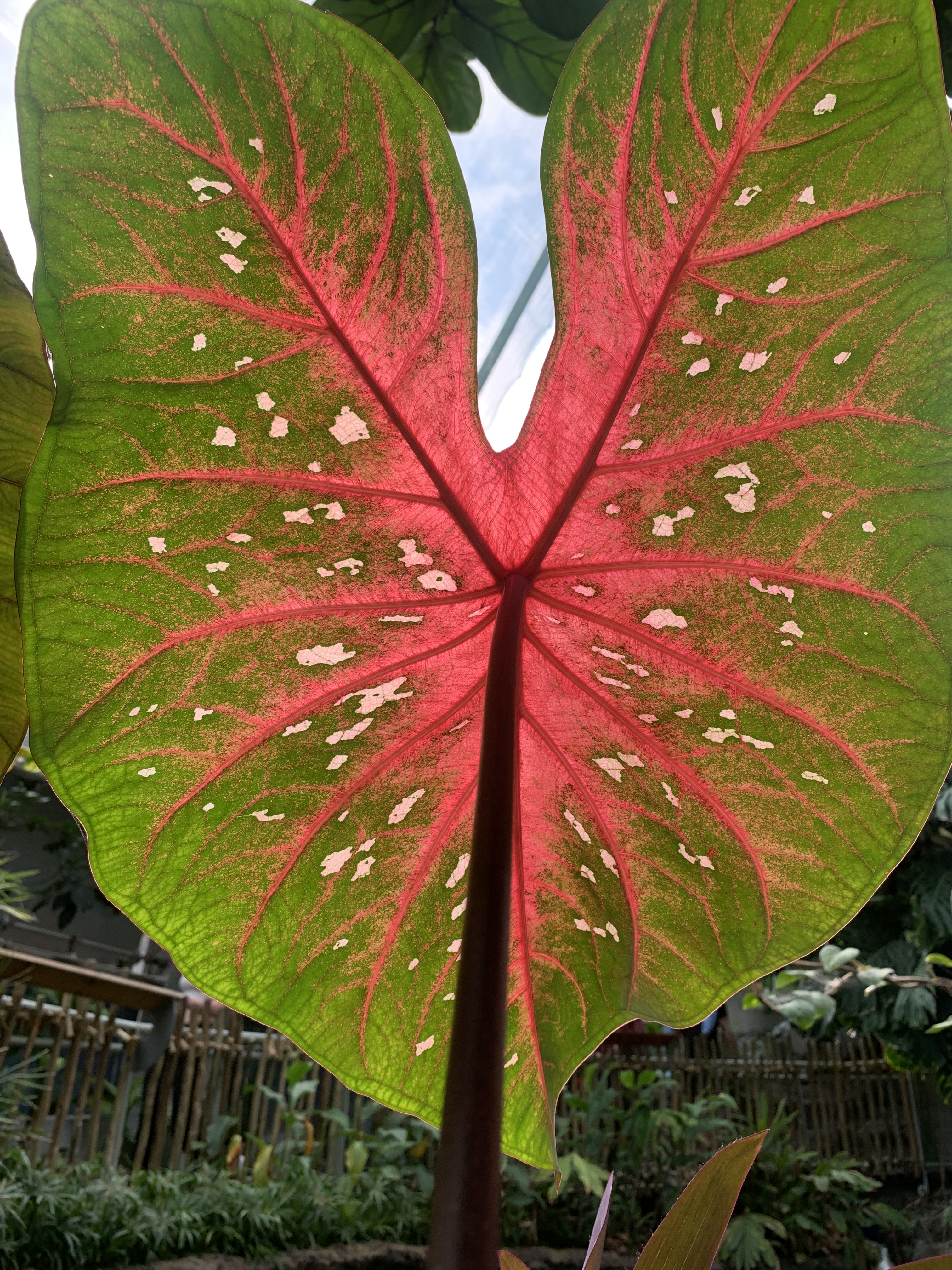
Finally, look closely at a leaf. Many show bilateral symmetry with mirrored veins and edges. Flowers often follow radial symmetry unfolding in perfect sections. These patterns are not aesthetic decisions. They are the outcome of tightly regulated gene expression and mechanical growth.
Morphogenesis is the study of how shape forms in biology and shows how cellular expansion, turgor pressure and hormonal gradients create predictable patterns. This is why daisy heads, clover leaves and maple blades look so precise. It’s not design but developmental biology and the rules hold across species.
The land is not just alive. It is patterned. From rock to root to river forms repeat for a reason. These aren’t coincidences. They’re evidence of principles, physical, biological and ecological, that have shaped the planet over time. By noticing these patterns we begin to read the land not as scenery but as structure.
Recognising patterns in nature trains our minds to see systems instead of chaos. This shift improves problem-solving, strengthens memory and deepens our connection to the more-than-human world.
 Roots With Rita