
Axis Formation in Embryos
Before a human body has a spine, brain or limbs, it has an axis which is a kind of invisible line that guides where everything should form. This is called body axis formation, and it starts early in embryonic development. Proteins and gradients (like BMP, Wnt and Shh) help cells figure out if they should become head or tail, front or back.
These positional patterns are not random. They’re shaped by gene expression and molecular signals that are highly conserved across species, meaning the same mechanisms are seen in flies, fish and humans.

Symbiosis and Mutualism
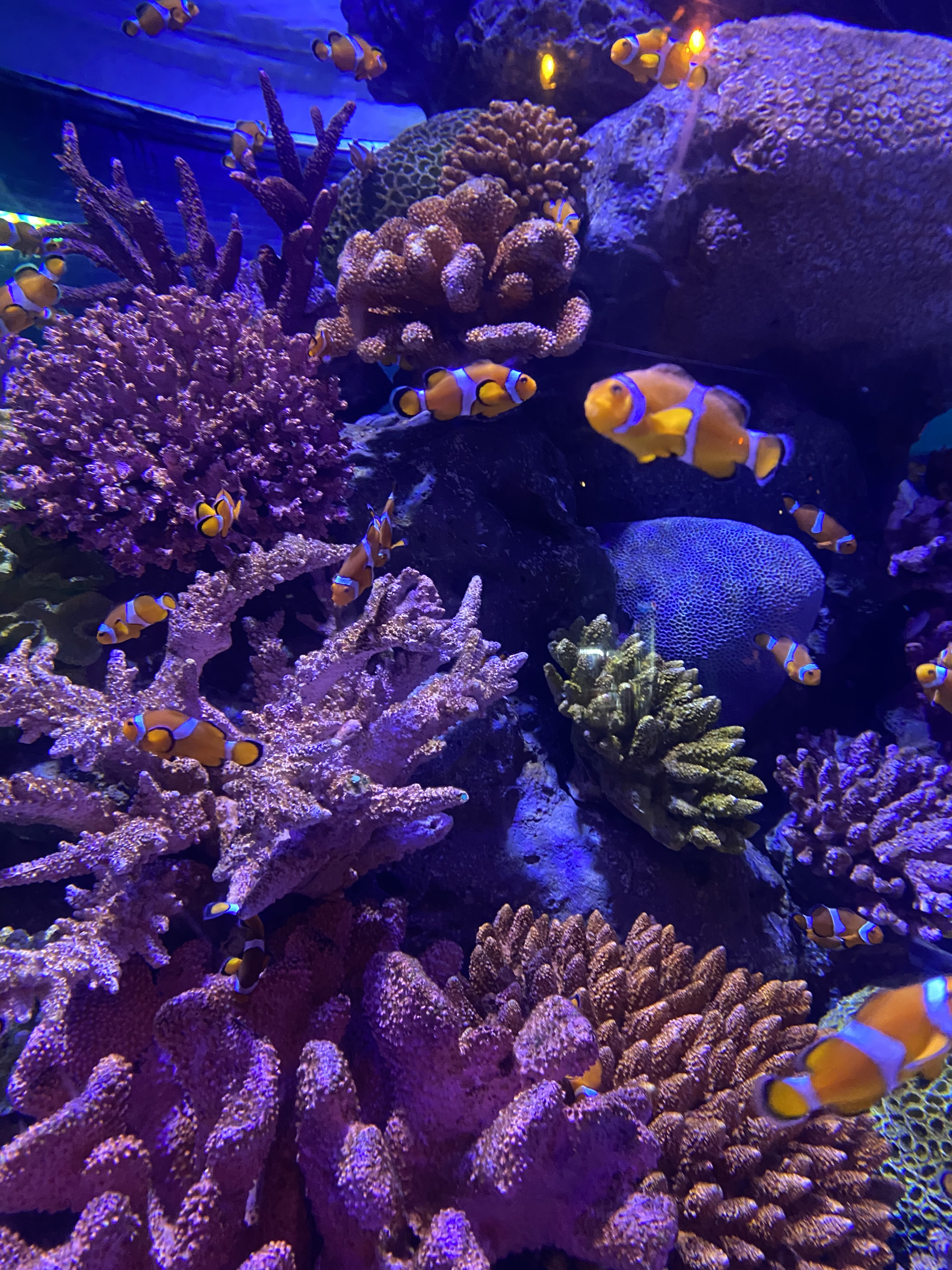
Nature favours partnerships. Coral reefs form from coral polyps and algae living symbiotically. Oxpeckers perch on buffalo, feeding on ticks. Mycorrhizal fungi connect plant roots underground, exchanging minerals for sugars.
These relationships are structured and often species-specific, passed on across generations. They shape ecosystems, nutrient cycles and even evolution itself.
Try this: Learn to spot mutualisms on a walk …bees pollinating flowers, birds eating fruit and dispersing seeds.
Why it matters: These cooperative patterns show that life thrives not just through competition but through finely tuned relationships.
Nest and Hive Geometry
Bees build hexagons, birds weave spheres and termites construct temperature-controlled mounds. These aren’t random they’re evolutionary designs optimised for strength, insulation and space.
Honeybees’ hexagons use the least wax for the most storage. Weaverbirds build hanging nests that reduce predator access. Termites use vent tunnels to circulate air through massive underground structures.
Try this: If you find an old wasp or bird nest, sketch or photograph its structure. What makes it efficient or protective?
Why it matters: Animal architecture shows how instinct and environment shape repeatable, efficient designs in the living world.


Protective Colouration
In animals, patterns like stripes, spots and mimicry aren’t just for show, they serve evolutionary functions like camouflage, warning or social signalling.
Zebras’ stripes may confuse predators by disrupting motion perception. Poison dart frogs advertise toxicity with bright colours. Cuttlefish change patterns in seconds depending on threat, background or social context.
Try this: Observe how even urban birds or insects blend into backgrounds (I recently encountered a puss moth who blended perfectly into my stone tiles in my bathroom!) . Ask why their colours or shapes might have evolved that way.
Why it matters: Colouration is a real-time reflection of survival strategies shaped by the environments these creatures live in.
Migration Loops
Animals like monarch butterflies, Arctic terns and caribou follow long, looping migration routes across vast distances. These patterns aren’t random they follow climate, food availability and reproductive cycles that have been honed over generations.
Monarch butterflies, for example, take four generations to complete their full migratory loop from Canada to Mexico and back. Somehow, each generation inherits the route, a mystery still being researched.
Try this: Look up animal migrations near your home or in your region. Many birds and insects pass through unnoticed.
Why it matters: These journeys show how life uses memory and environmental cues to move in cycles that sustain whole ecosystems.
 Roots With Rita